Feast of Saint Giuseppe

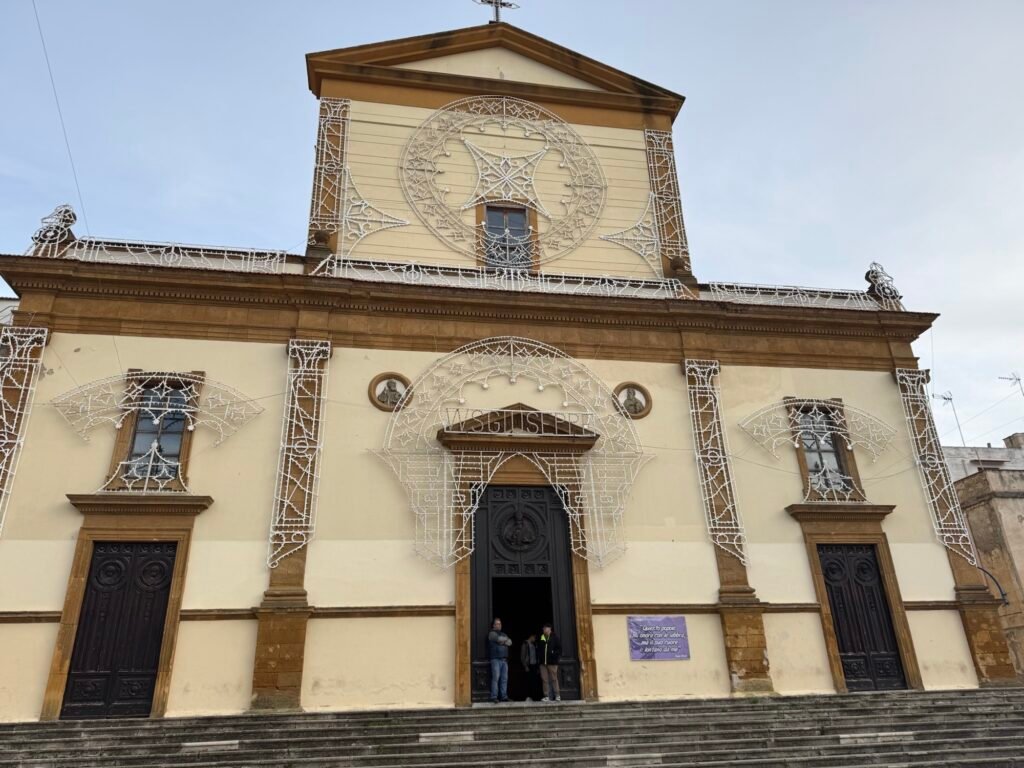
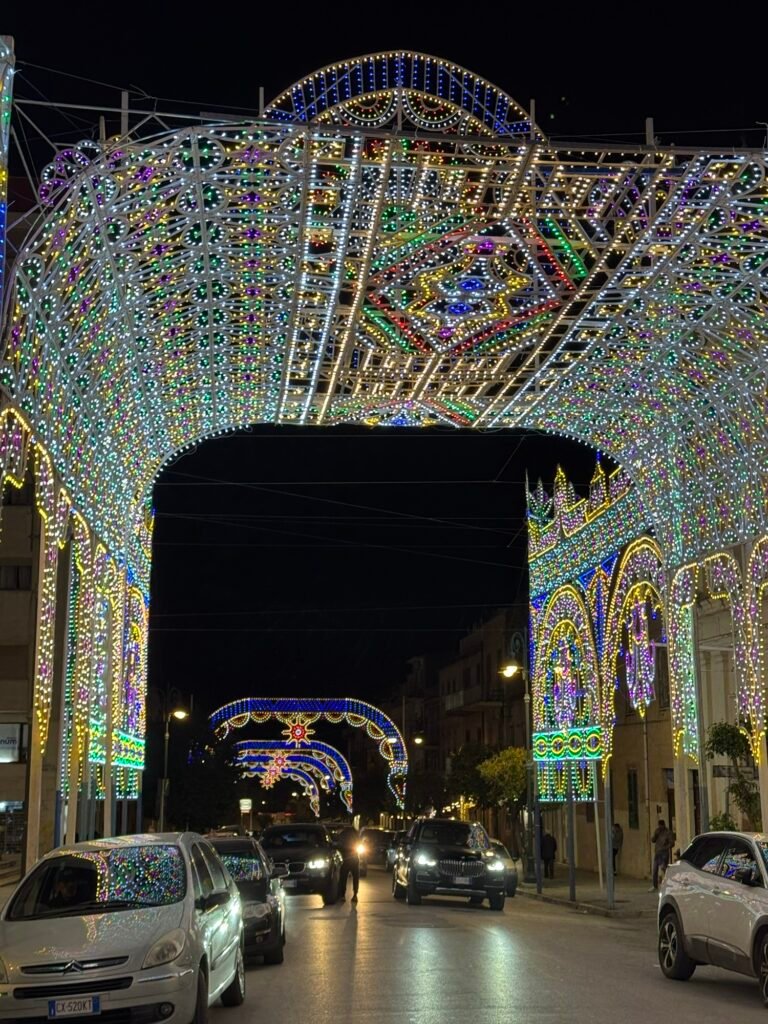
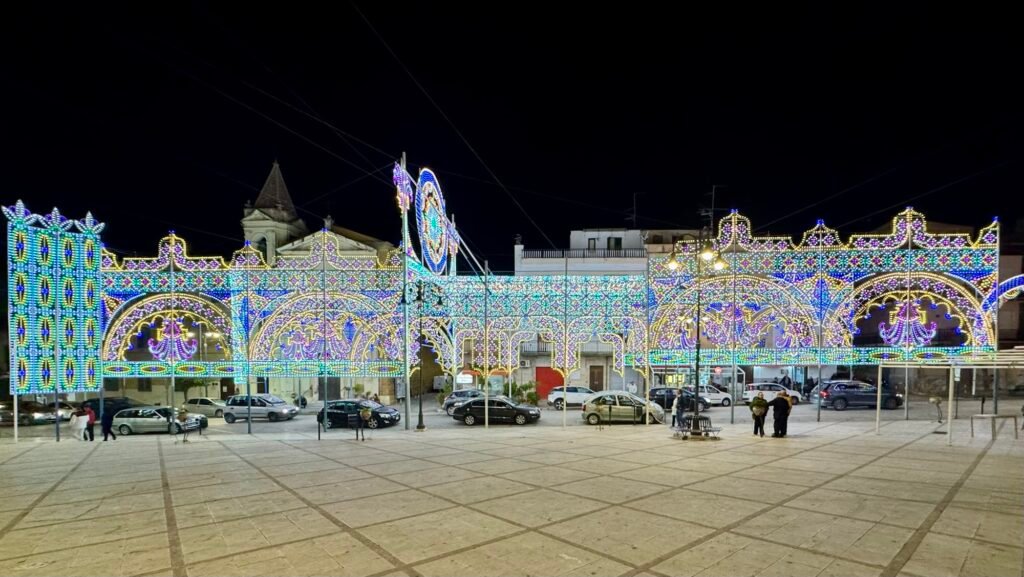
Christmas in March! Wait, no… this is part of the celebrations of Joseph. Mary and the infant Jesus are also involved. In 2025 this went from March 10th through the 19th. This view is from the steps of the Chiesa Madre di San Nicola.
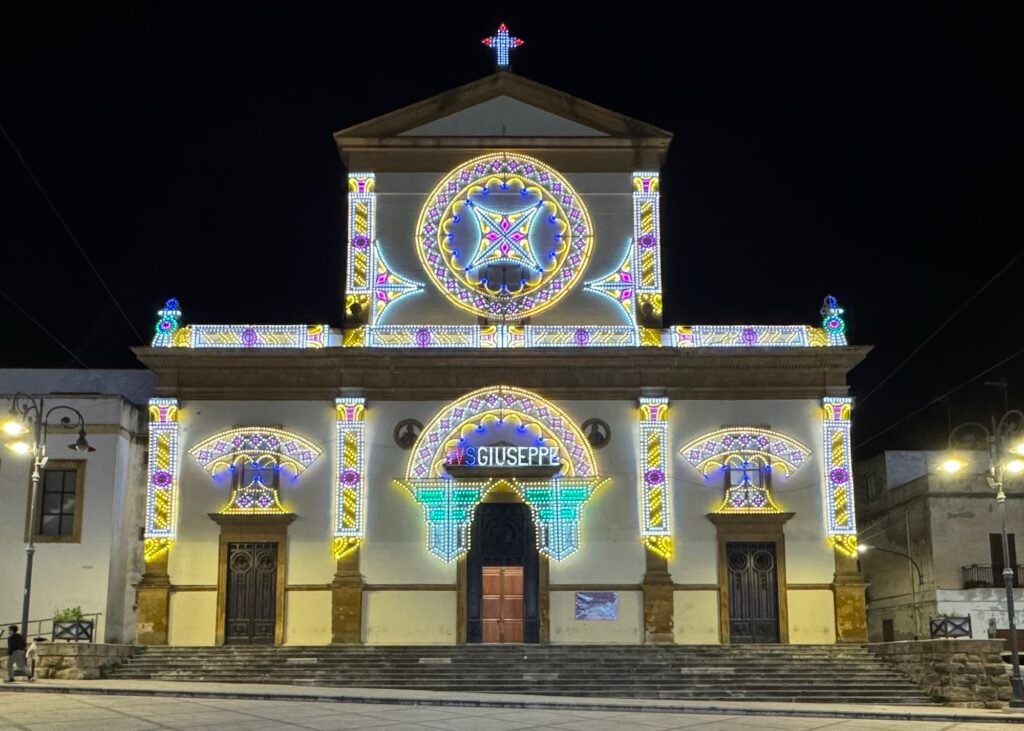
Lights on the church.
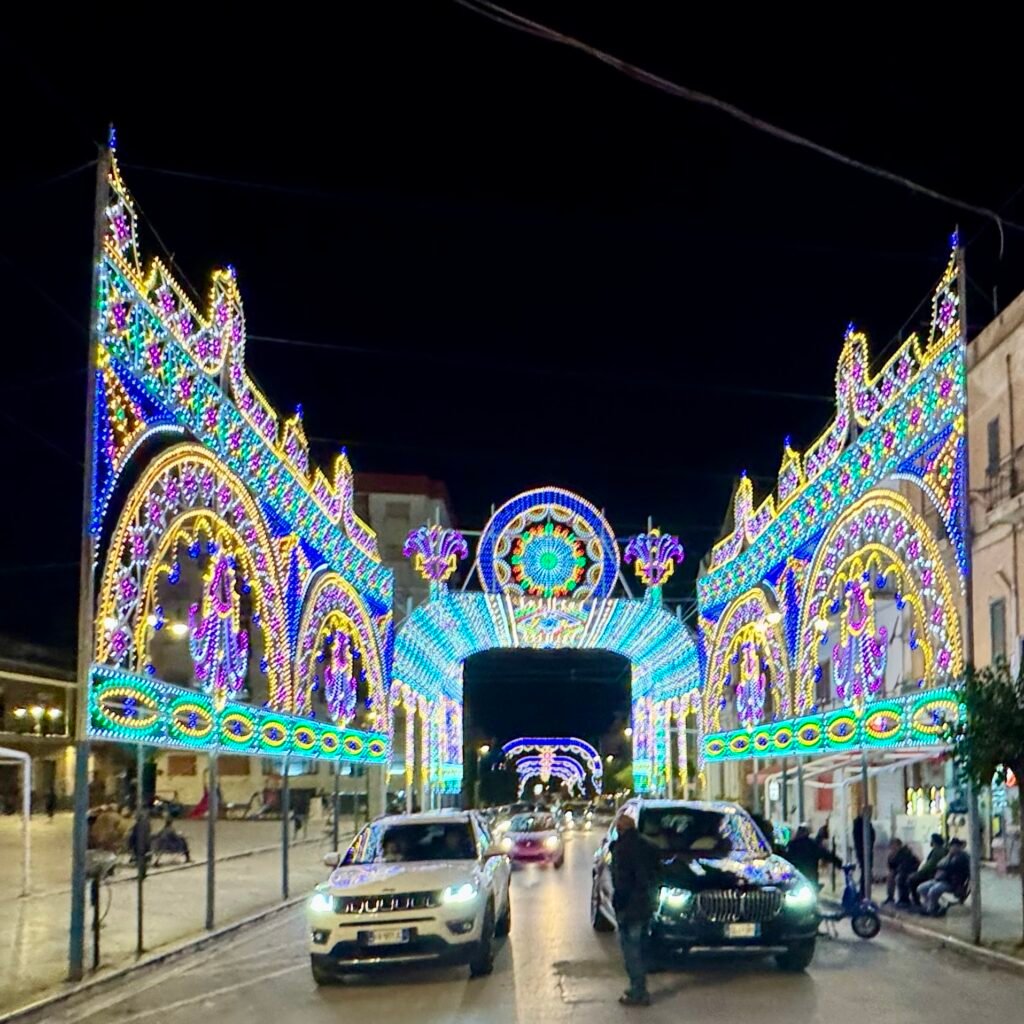
Looking into the main display

Nukes, No! Wind, Prego!

Energy costs here are high, as it seems to be through most of Europe. For instance, gas is about 8 US dollars per gallon. To reduce dependence on oil, Italy tried to get the country moving towards nuclear power. Unfortunately, the Chernobyl disaster occurred, and so much public fear ensued that they had to scrap the plan.

Time passed, the terror of a nuke plant accident subsided, and the leaders decided to float the idea of nuclear power one more time. As fate would have it, this also became the time of the Fukushima disaster occurred in Japan. Widespread fear once again prevailed, and the nukes lost. Again.

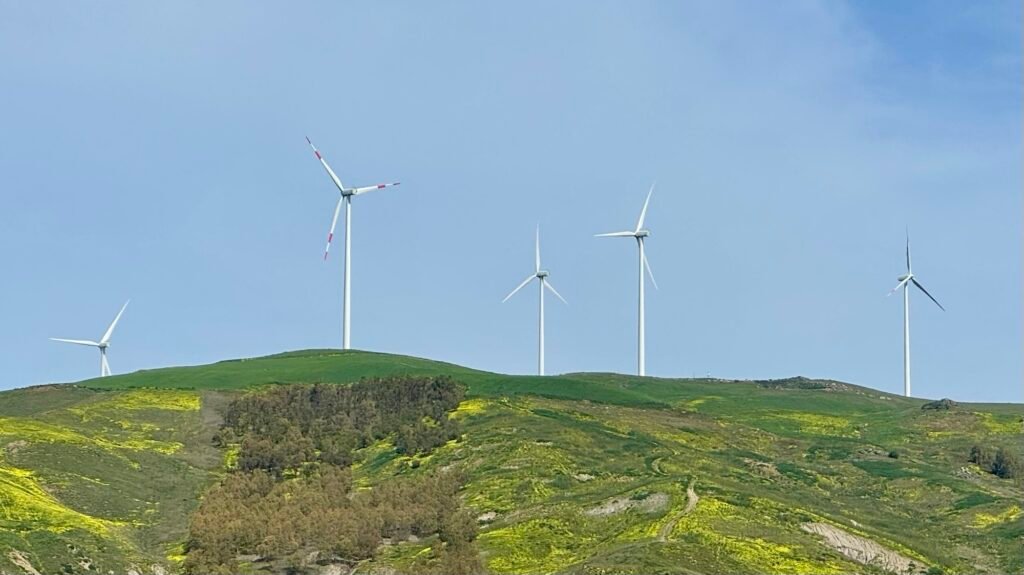
So, Italy, and especially coastal Sicily, has been exploring alternatives. Wind power is one. We passed many modern wind turbines on the drive from Palermo to Agrigento. We also saw more than a couple solar electric installations. Which is brilliant here, because Sicily averages 350 days of sunshine a year.

Tracing my Roots 2

Church of my Grandparents Baptism

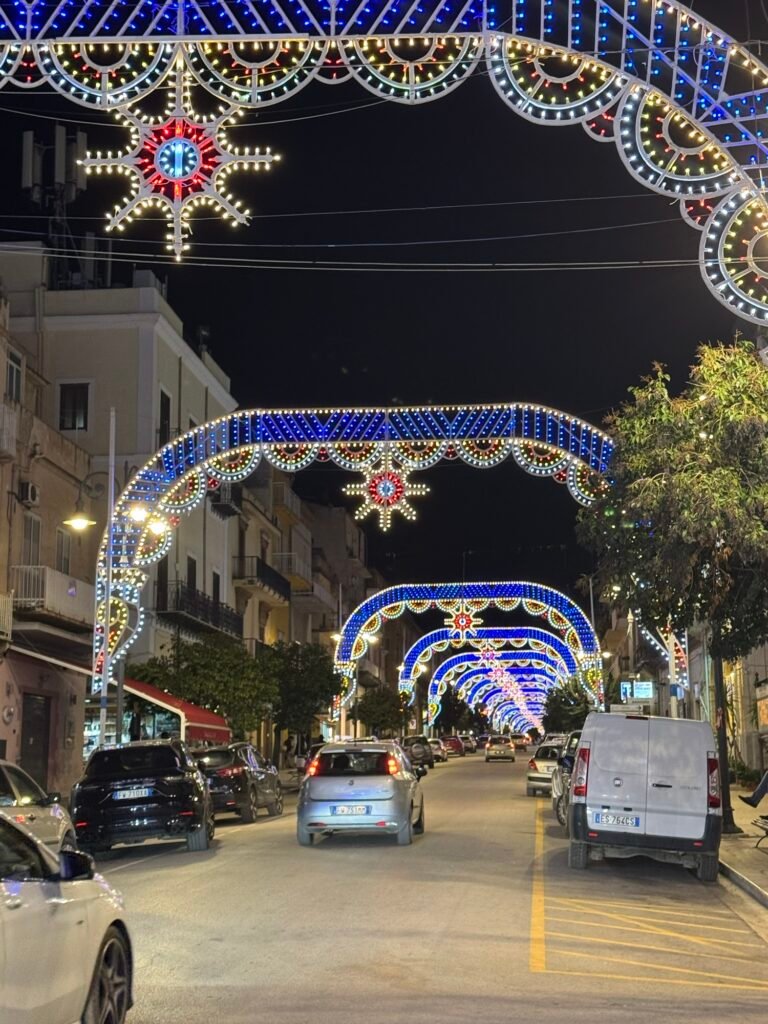
Preparing for the feast of Sans Giuseppe on March 19 this Main Street was ready to light it up at night.

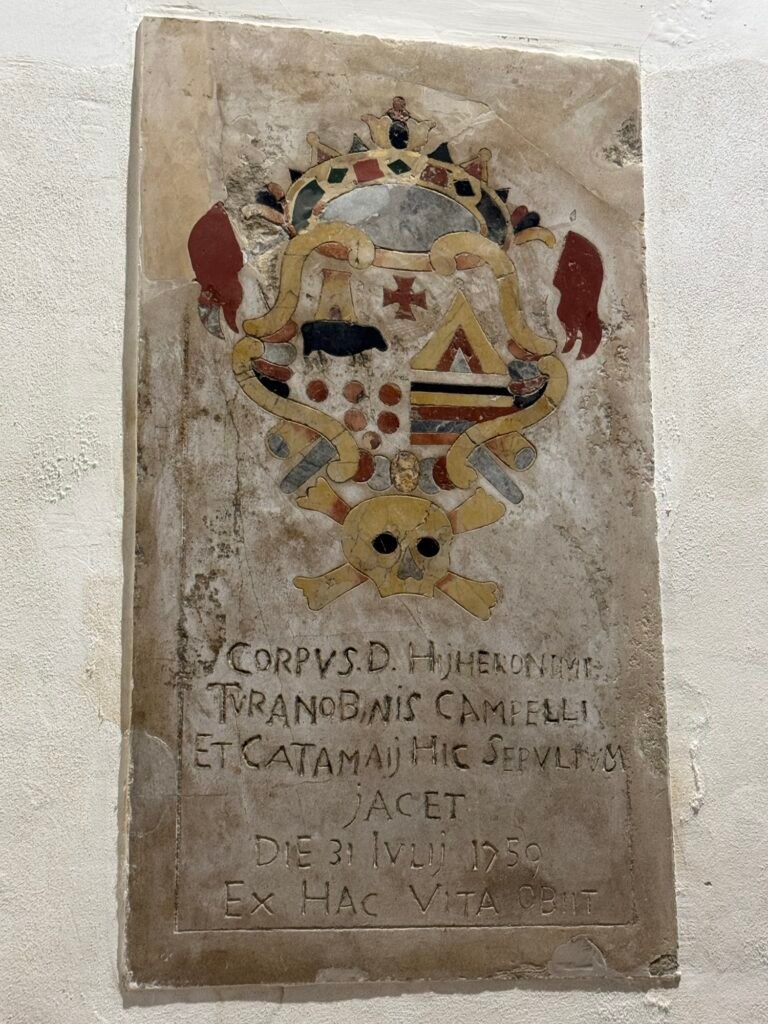
The documents we provided Gianni could be read and he research and walked the streets looking for clues which he found.

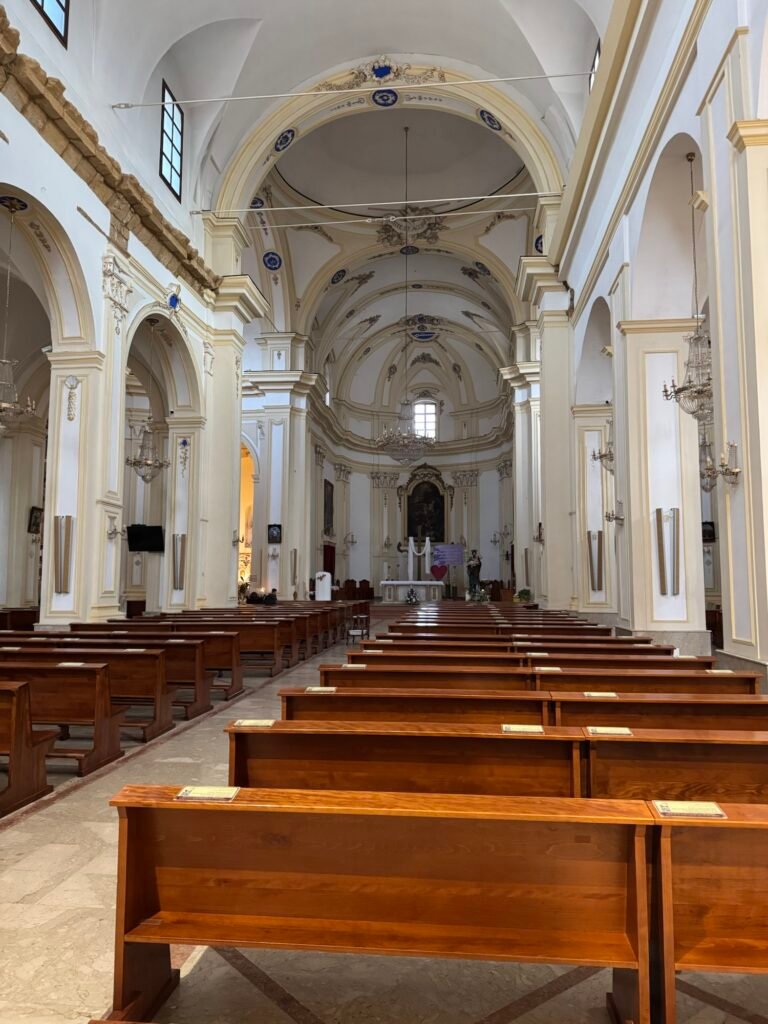
Inside the church plain but beautiful
Inside the church
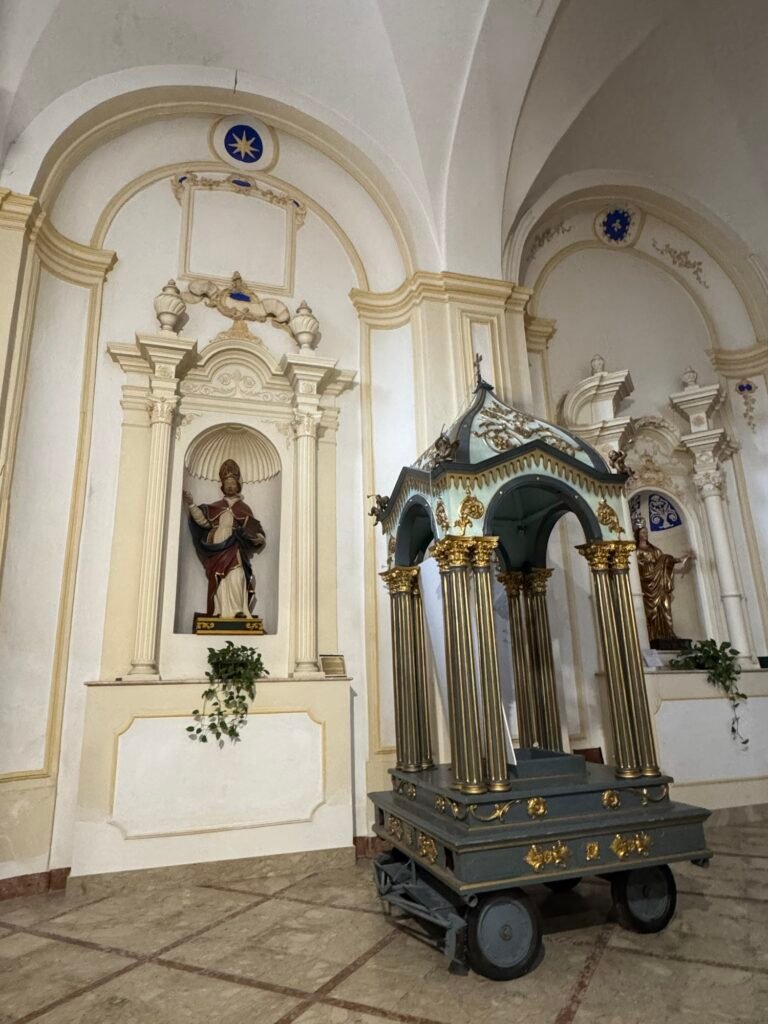
Sans Guesippi processional cart

Mia Familiga are Catholics. Every day like most 95% of Sicily they go to church. Faith was very important.
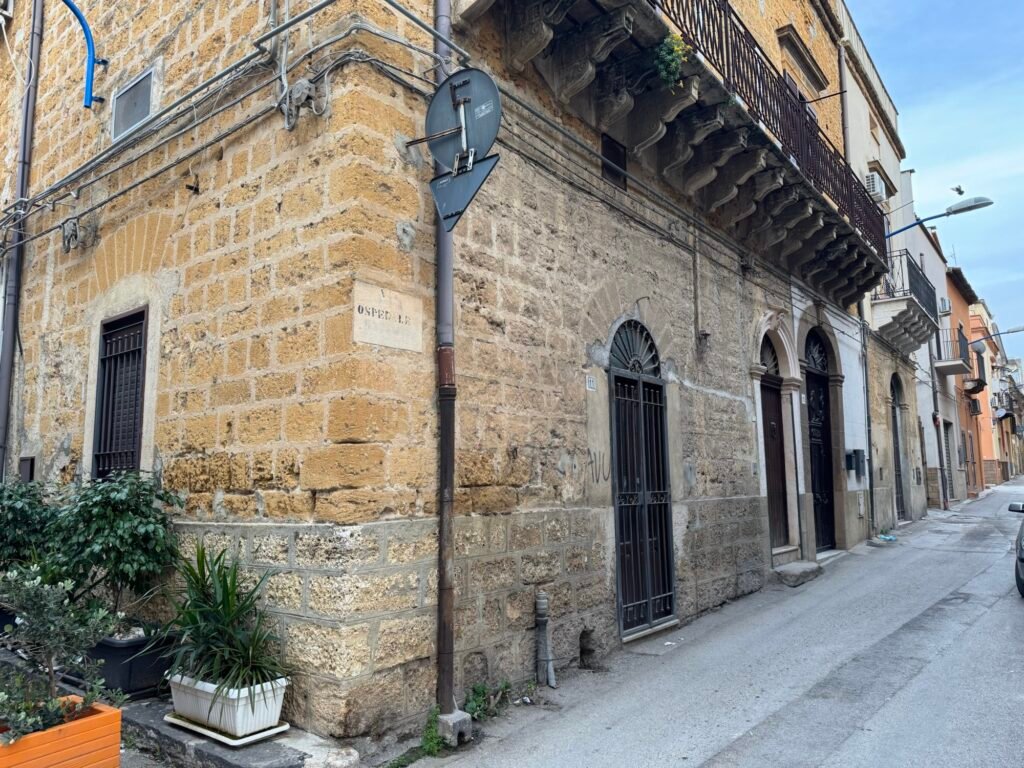
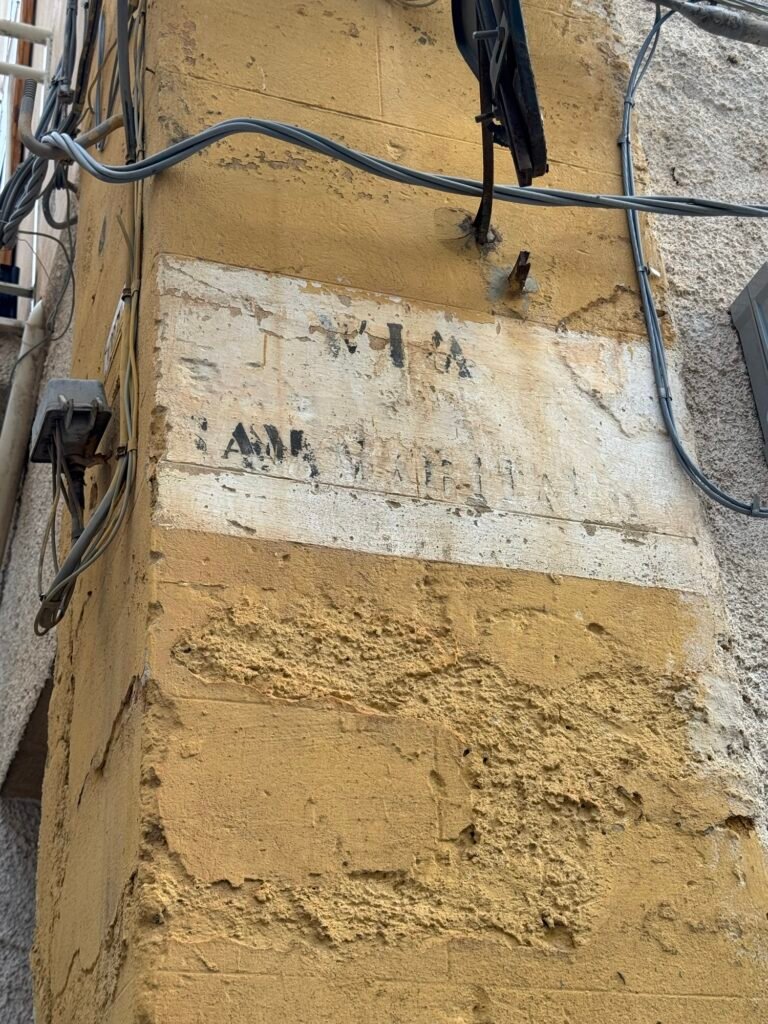
The street where my grandmother was born

Looking thru the age and decay of the corner street sign reveals the street name. Some have been painted over or changed but the signs are there to support the street name according to the document we provided Gianni. We were walking on the very same street when my grandmother was born. Pinch me moments.

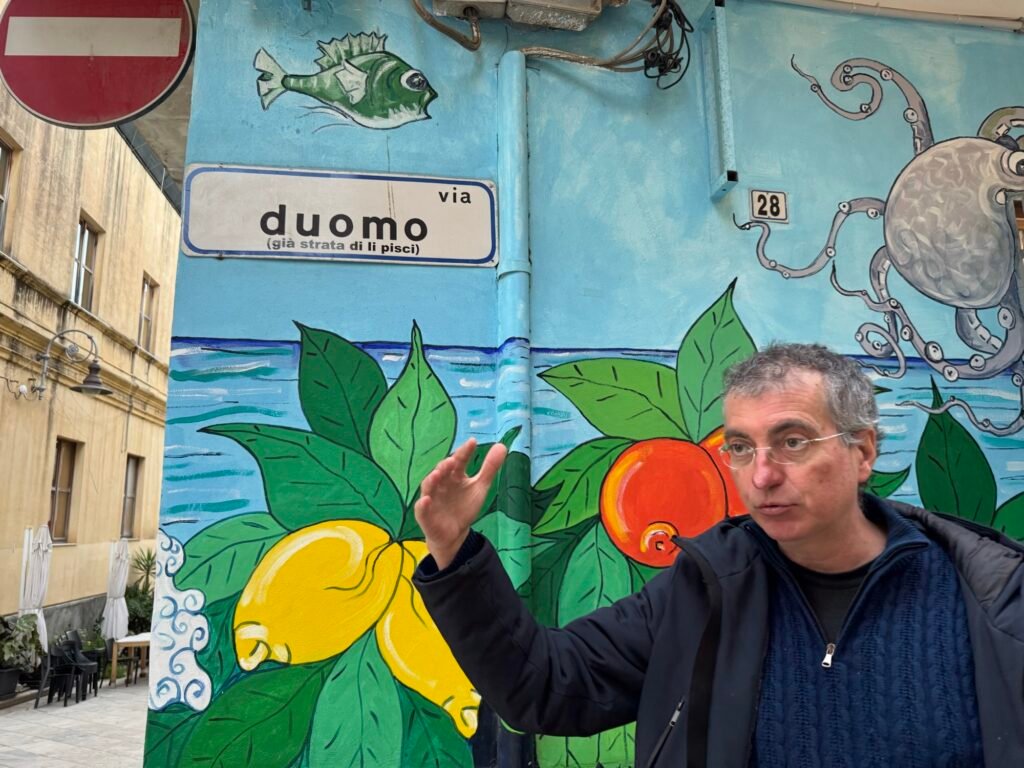
Gianni explaining the street name of my grandfathers birth

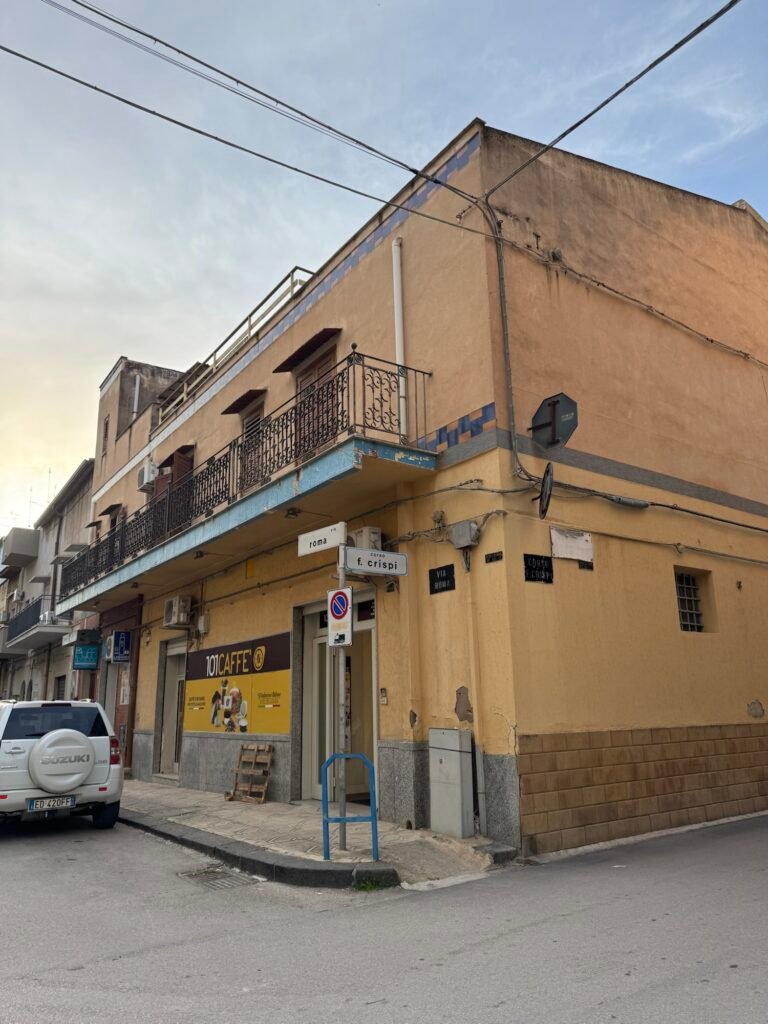
Zoom in and look at the small writing under the larger text. Basically it says Fish Street. My grandfather Carmelo Triolo was born on this street. Pinch me again. Small narrow streets in the home is where babies were born. No hospitals. Amazing. This is the same town where Francisco Crispi was born. He was nearly a facist and disliked and not trusted. His home below is represented here.

Street name of my grandmothers birth
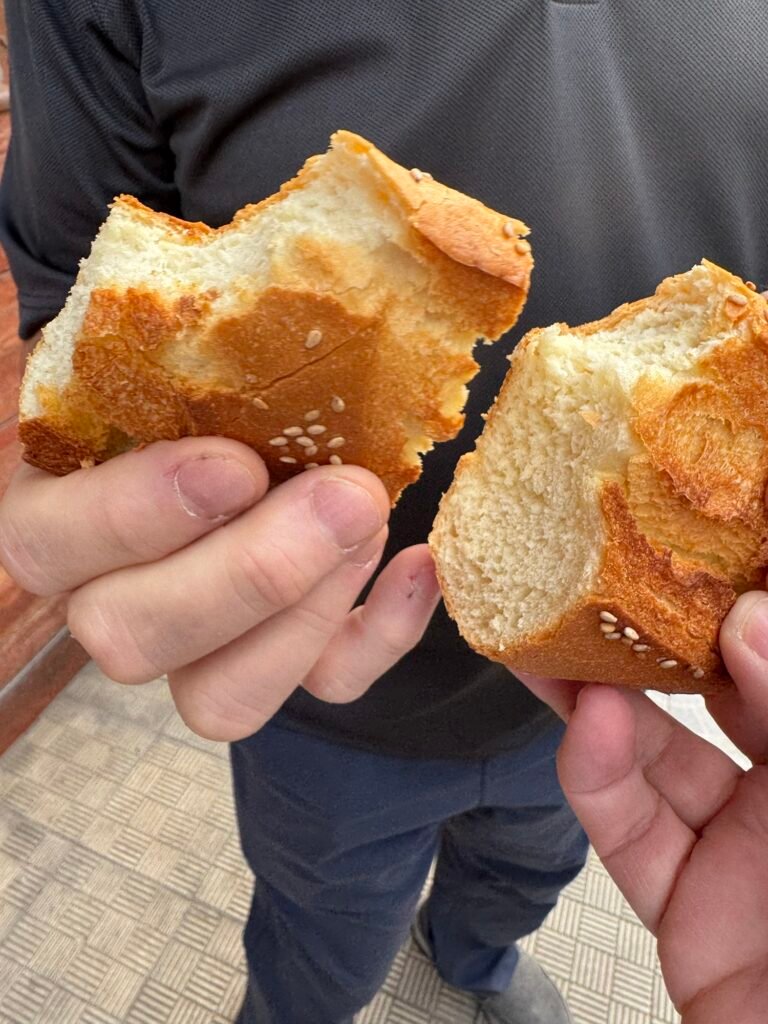
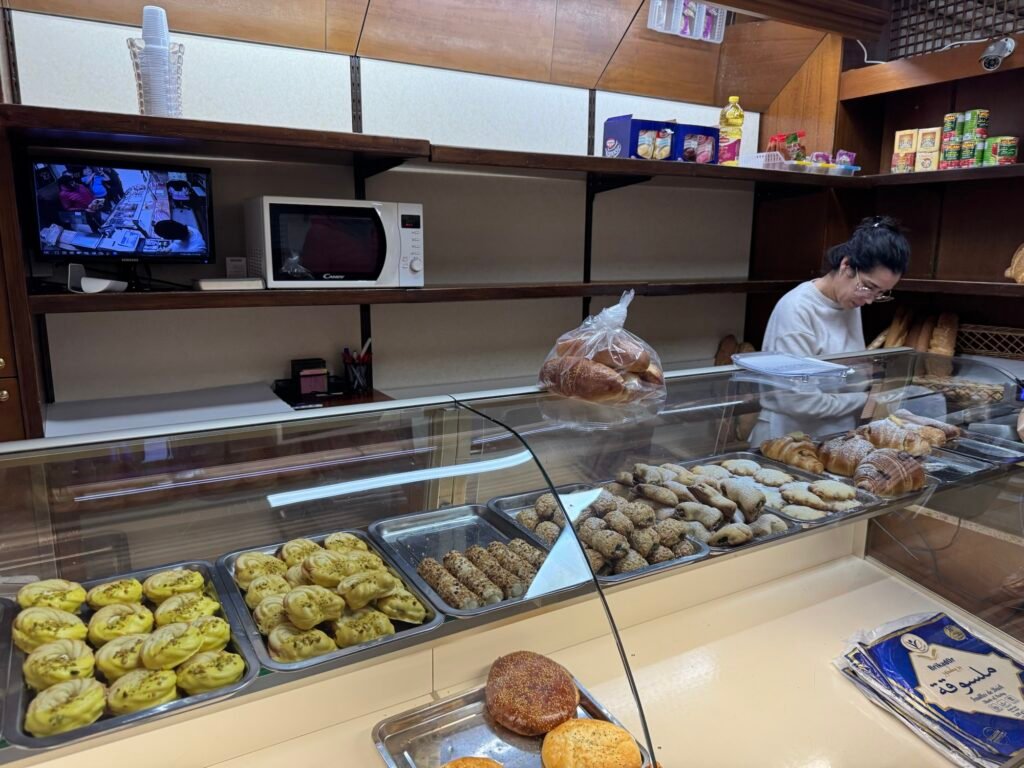
Hole in the wall bakery.

Gianni took us and bought this bread for us to try. A yellow golden hue this bread is the trophy of Sicily. The area is known and the bread basket of Roma.

Bakery in Ribera

I’m standing against the wall taking this picture. There is no room for more than a small elevators worth of people.

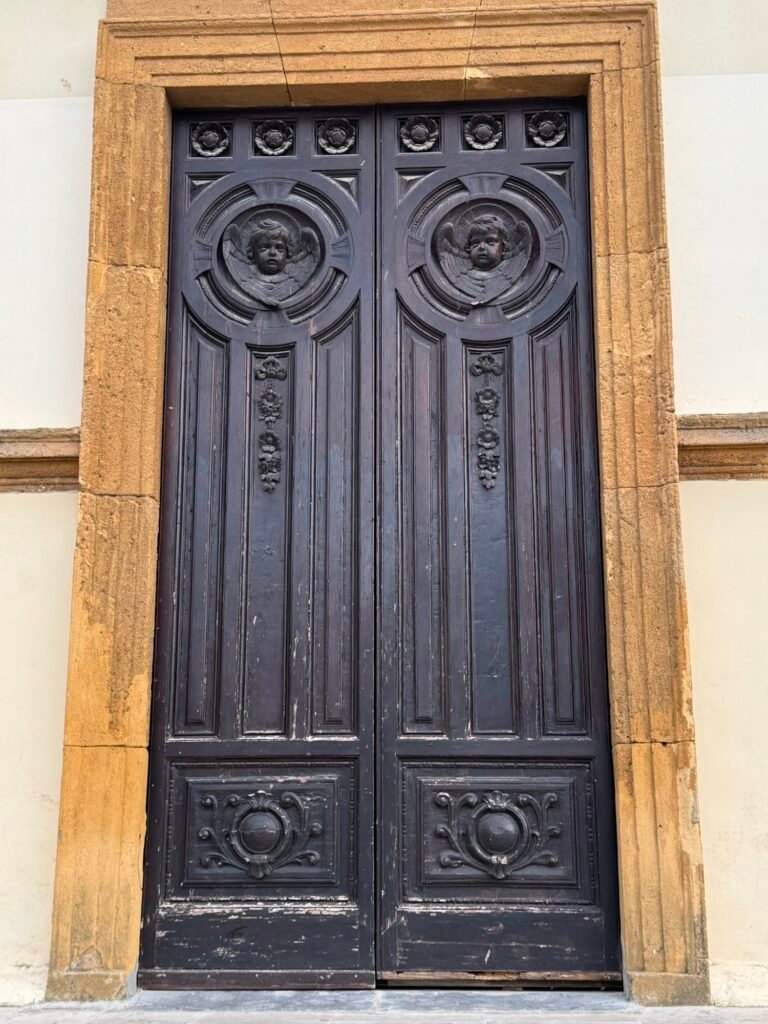
The doors of the church of my grand parents baptism.

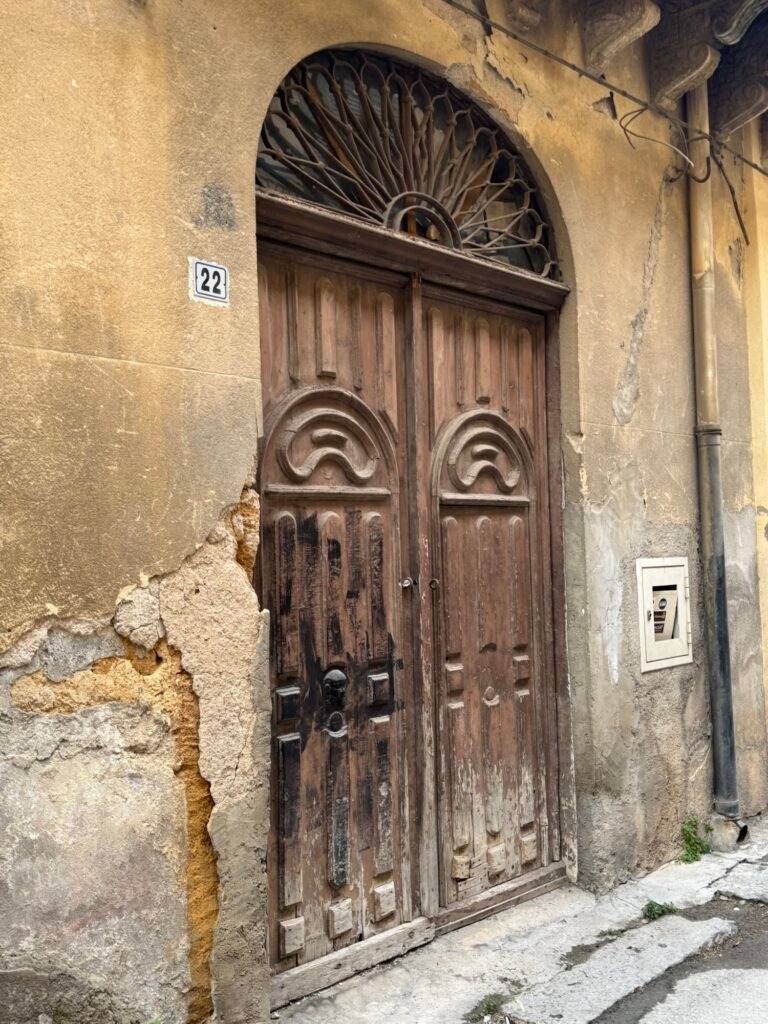
I have a thing for doors. This door above though is special.

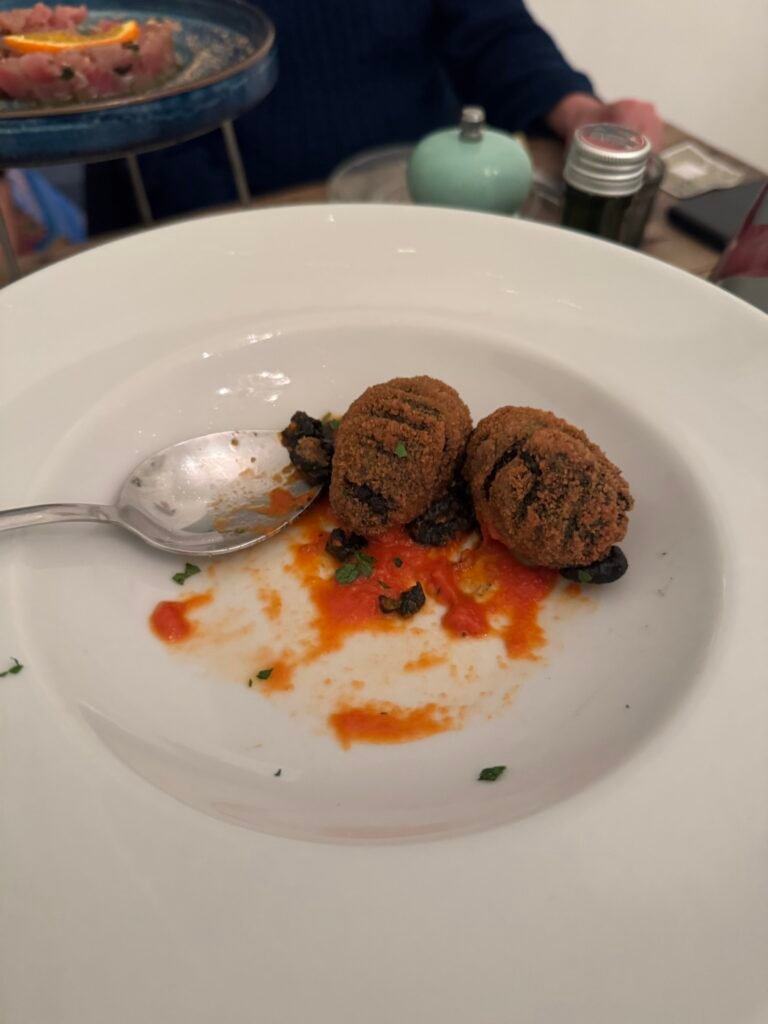
Fried cuttle fish w squid ink and sweet potato
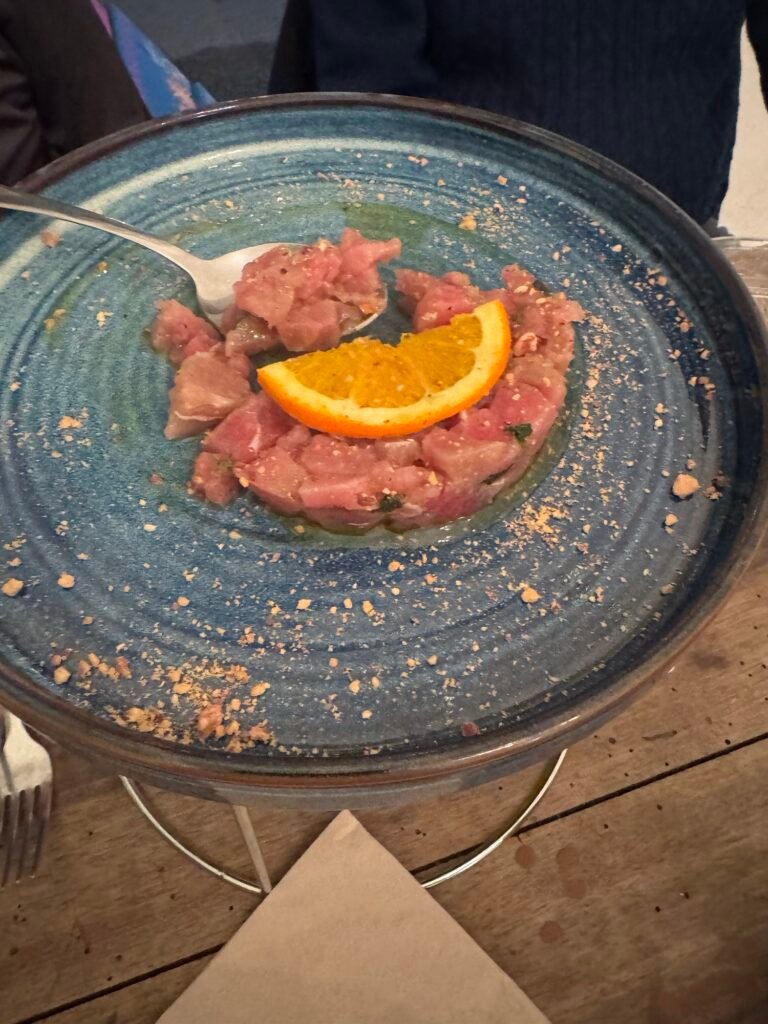
Tuna tartar with orange citrus. Fresh.
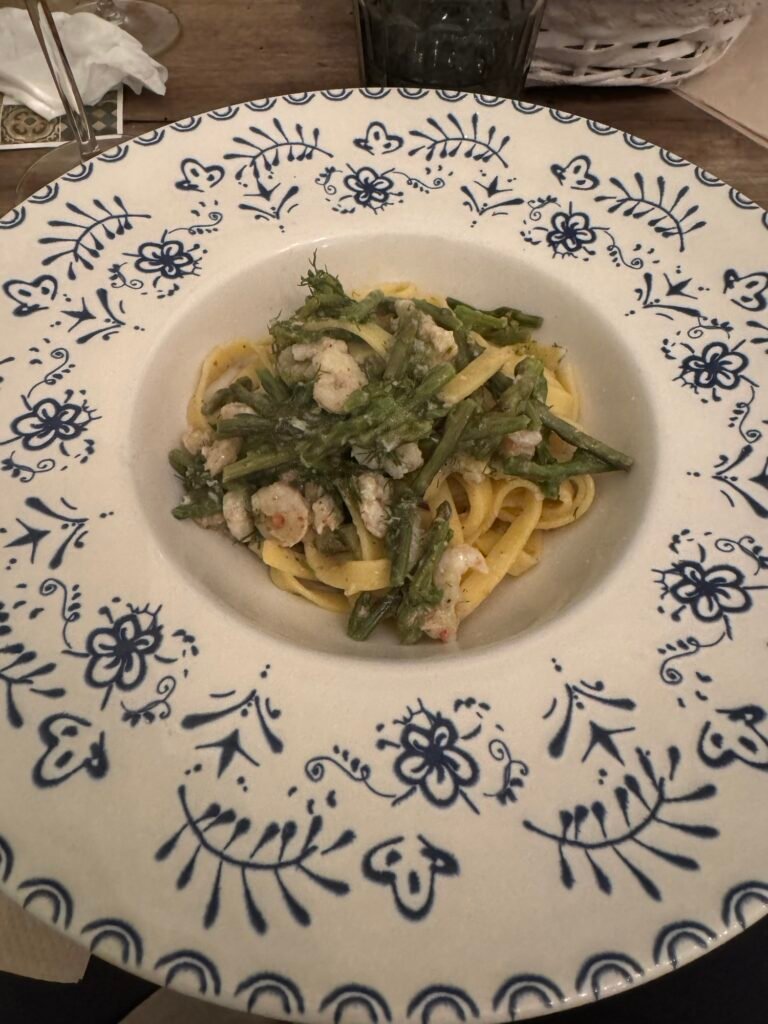
Pasta with fennel and asparagus and shrimp
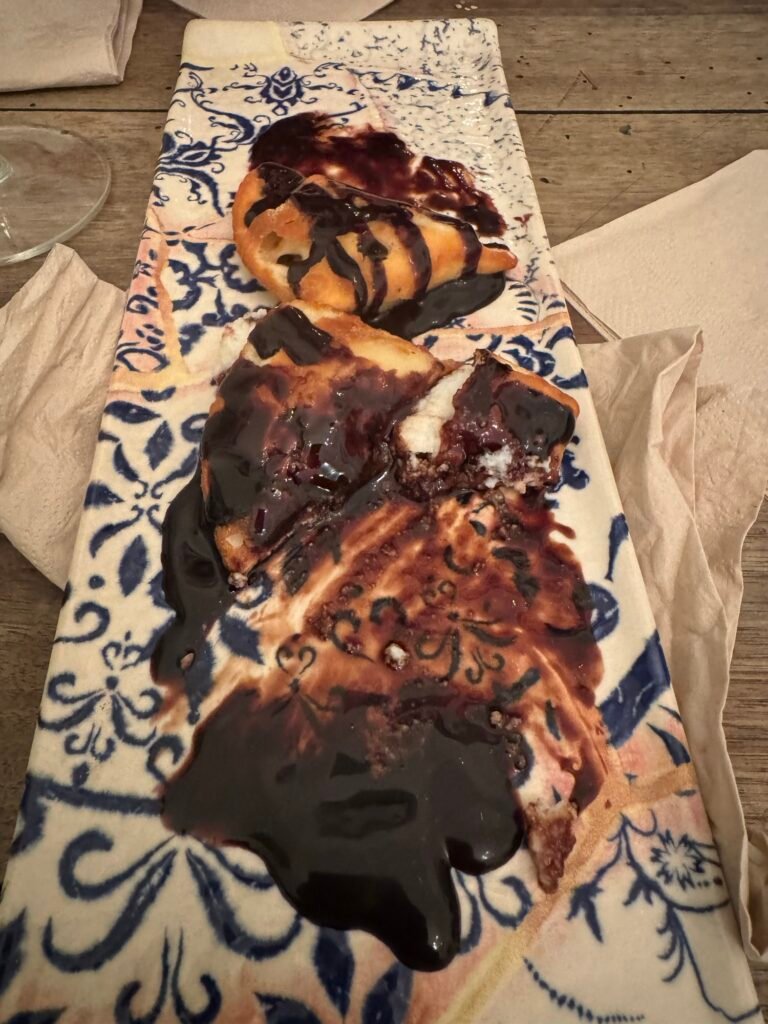
Stuffed ravioli with sweet ricotta and chocolate

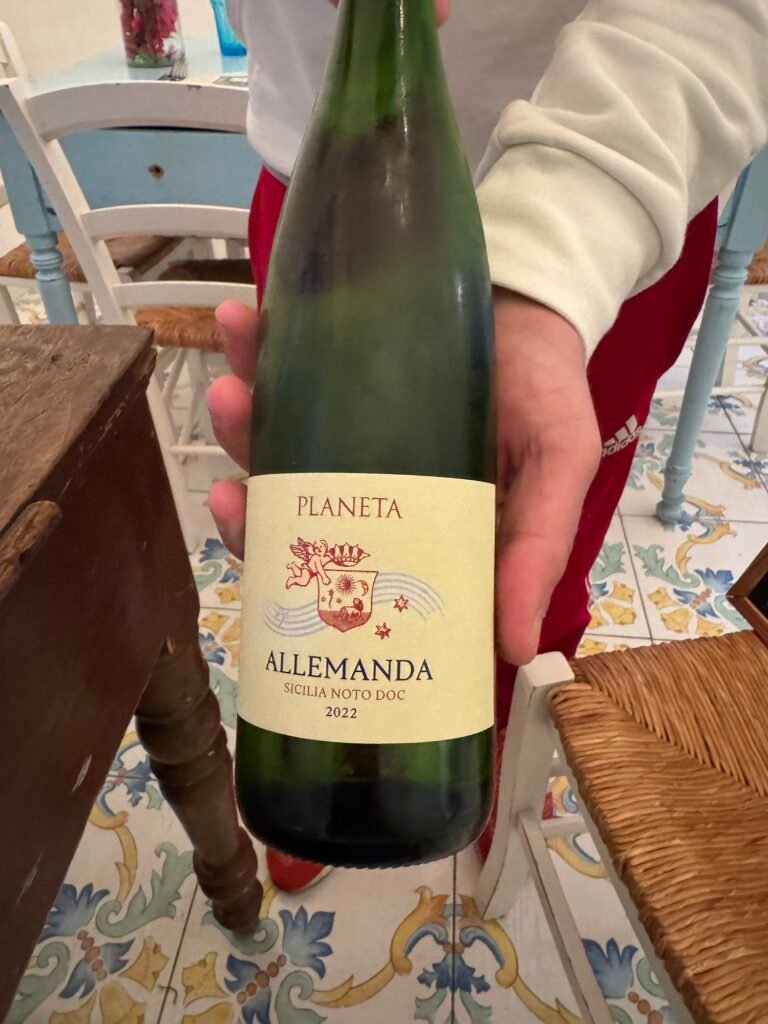
Freshly prepared with a bottle of regional white wine we were stuffed.

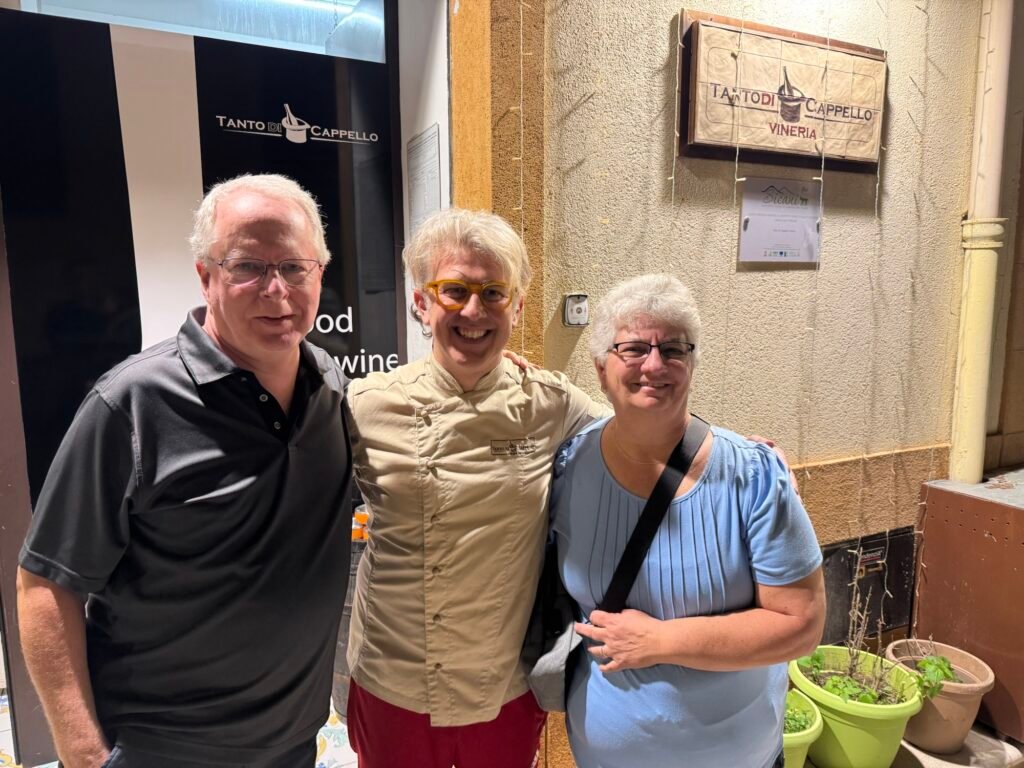
Our chef can’t pronounce his name

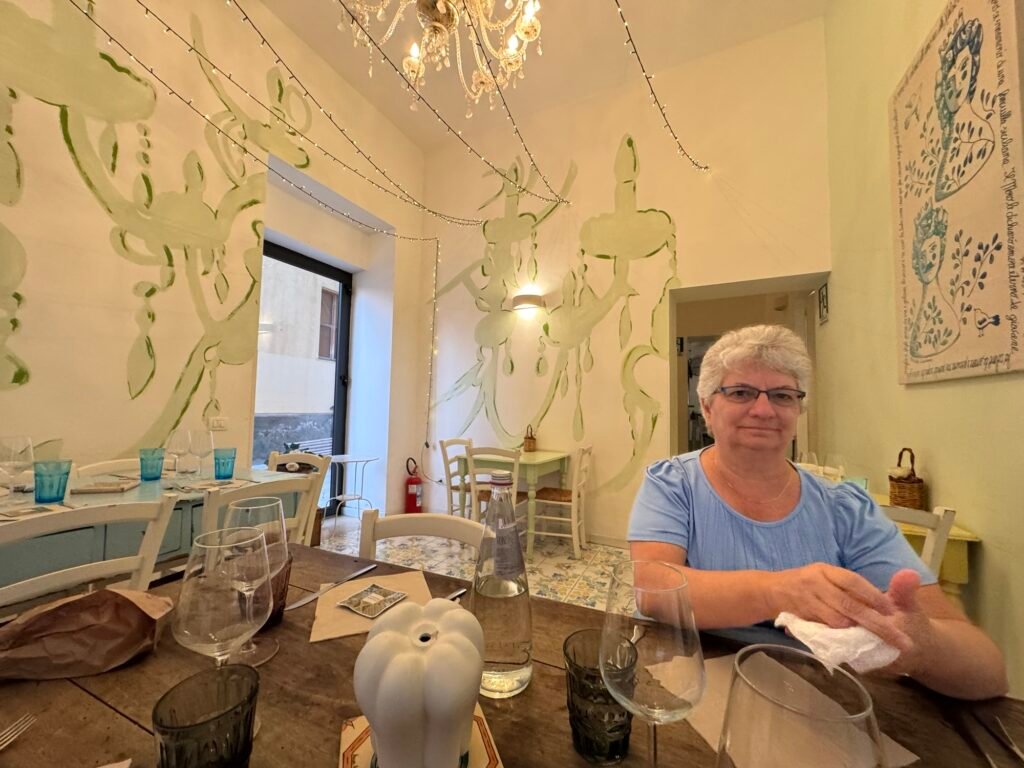
All prepared fresh for us to experience Sicilian food in season. That’s how they ate. Seasonal ingredients that are available. And PASTA of course.

White vino
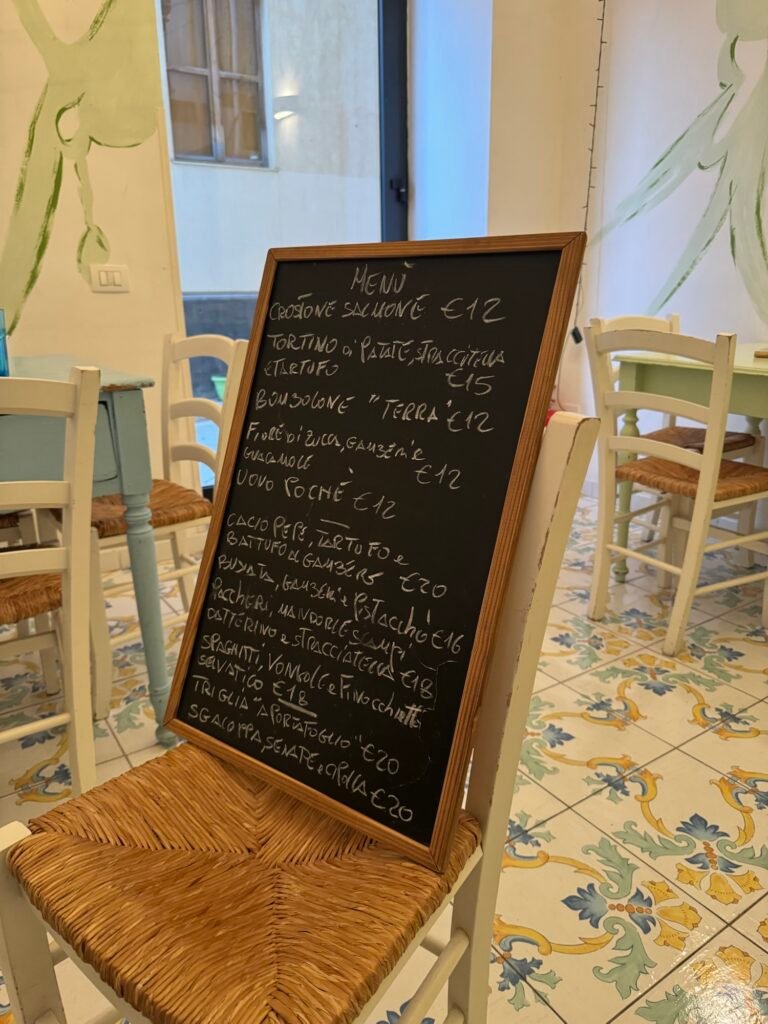
Menu hand written each day
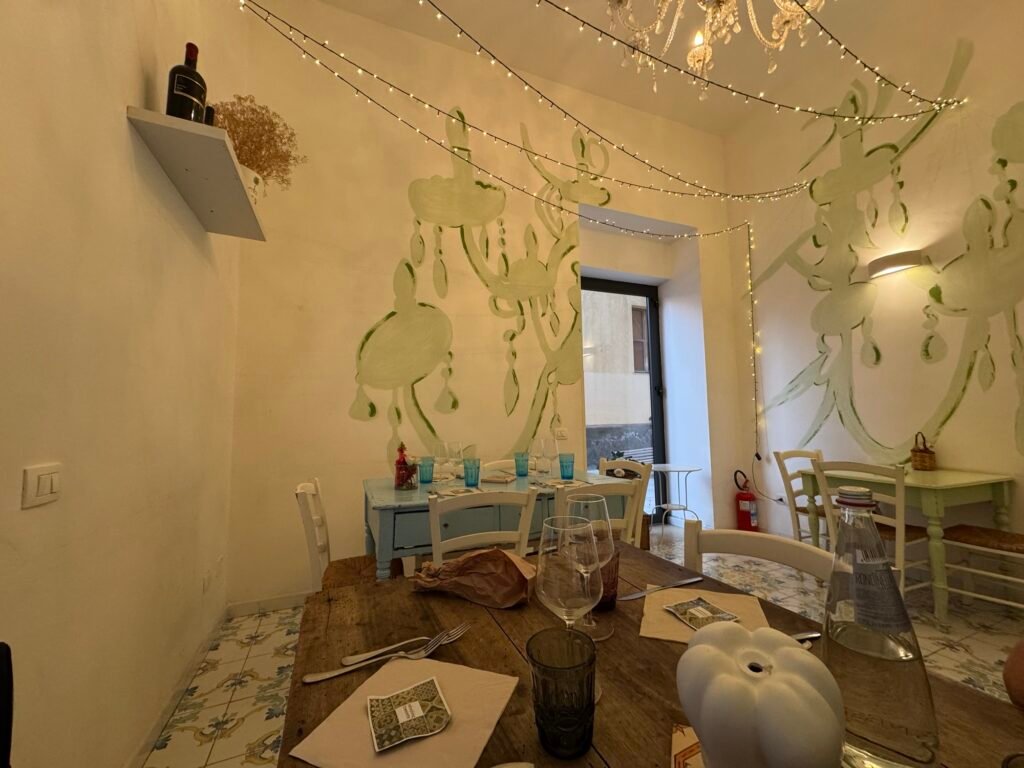
Ribera, Sicily restaurant

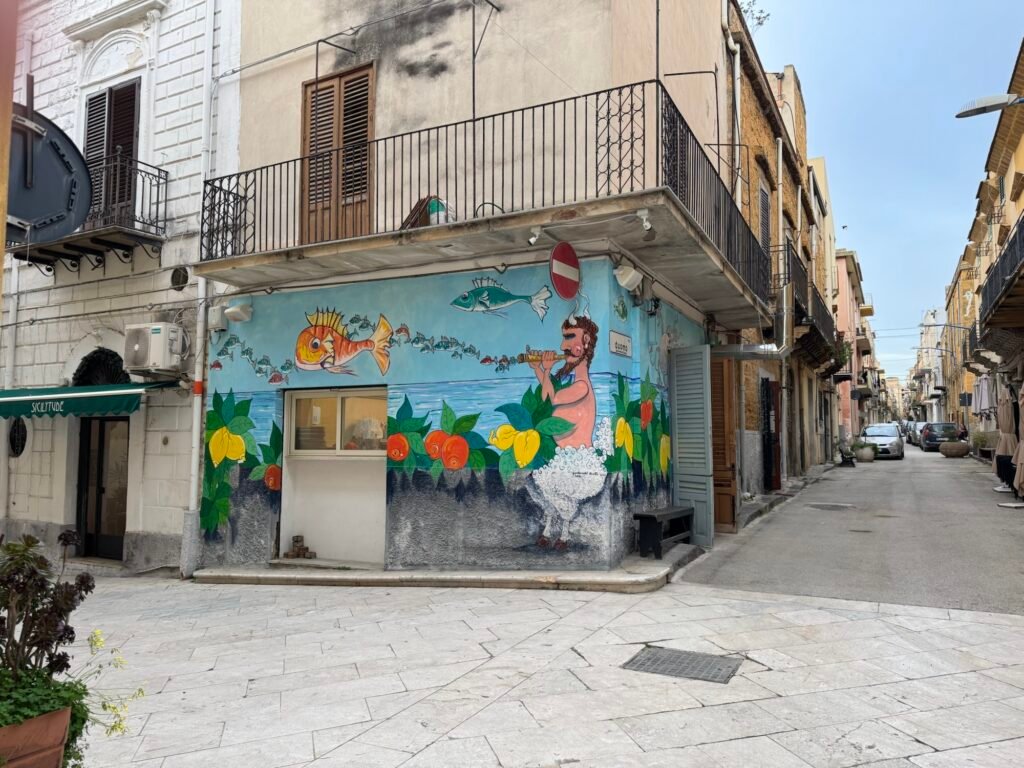
Ribera Main Street pre celebration of
Sans Guesippi
Directly in front of the church where my grandparents were Baptized.

Valley of the Temples

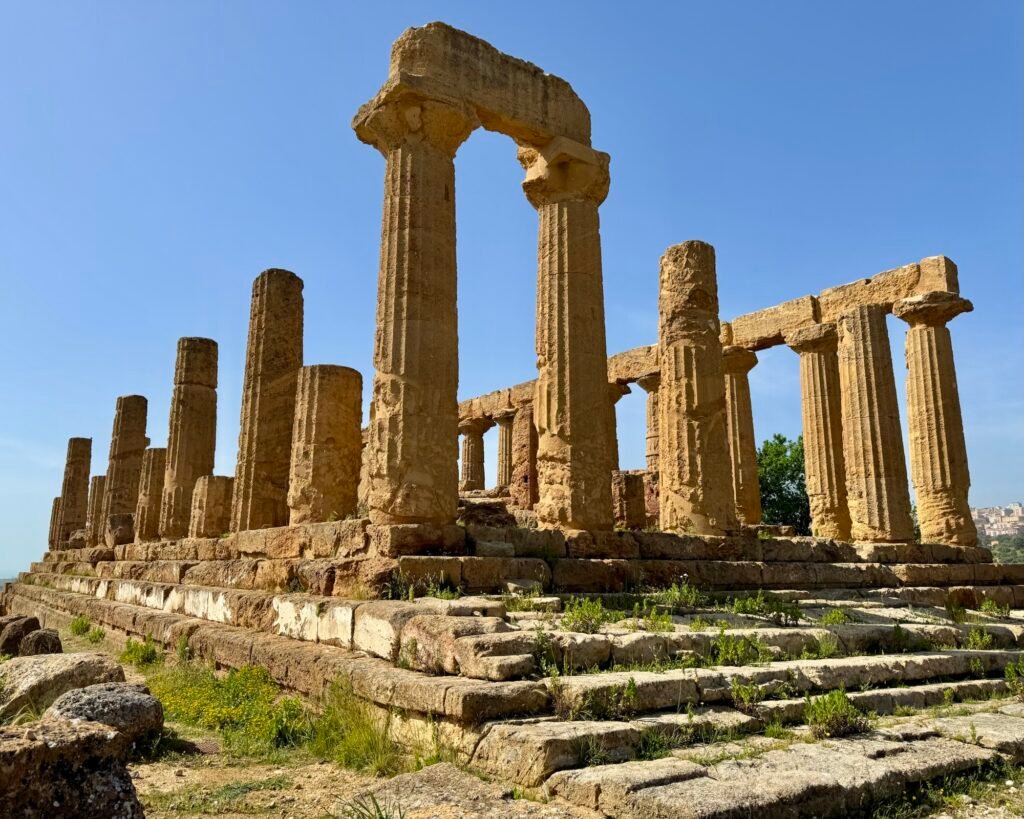
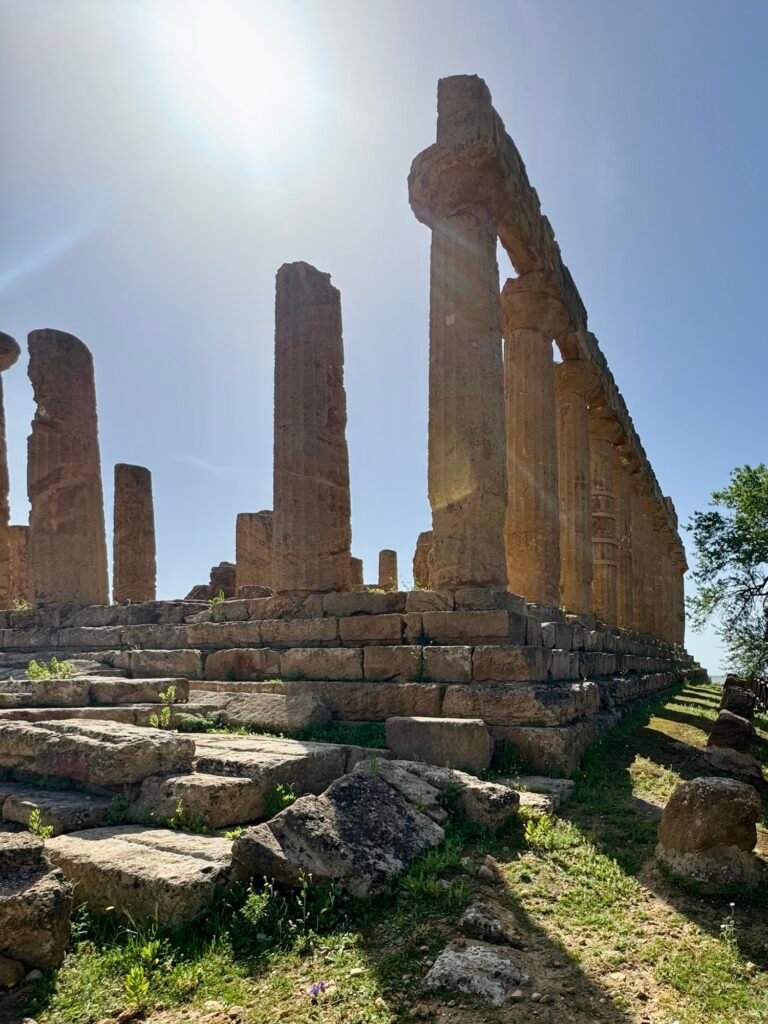
Temple of Hera

There’s a ridge along the hills in Agrigento where the Greeks built temples to their gods.

All but one lie in ruins, like this one, and some are no more than piles of (rather large) stones. The island has endured large earthquakes over the eons, but that’s not the cause of their collapse. The demolitions were at the hands of various conquering armies.

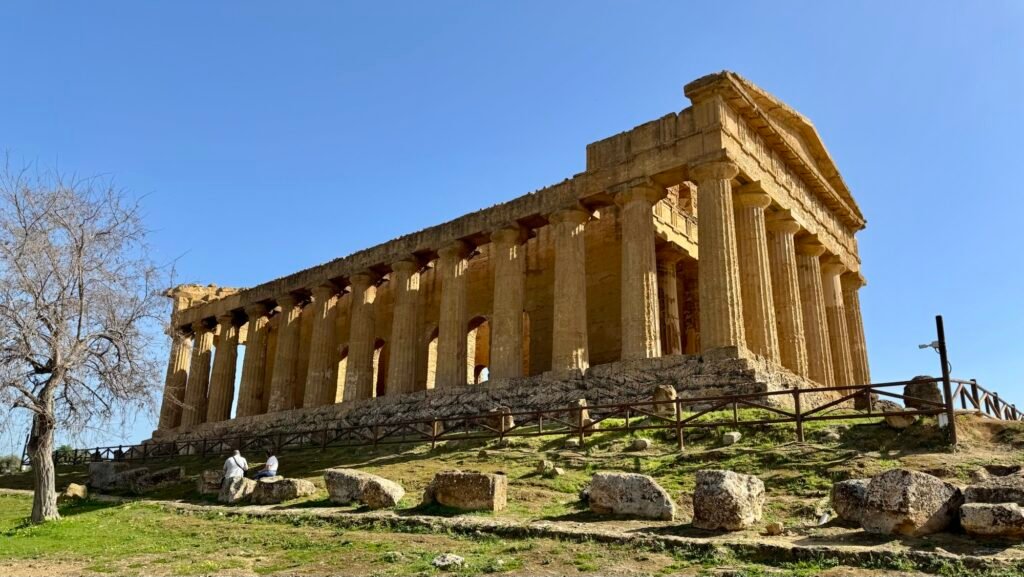
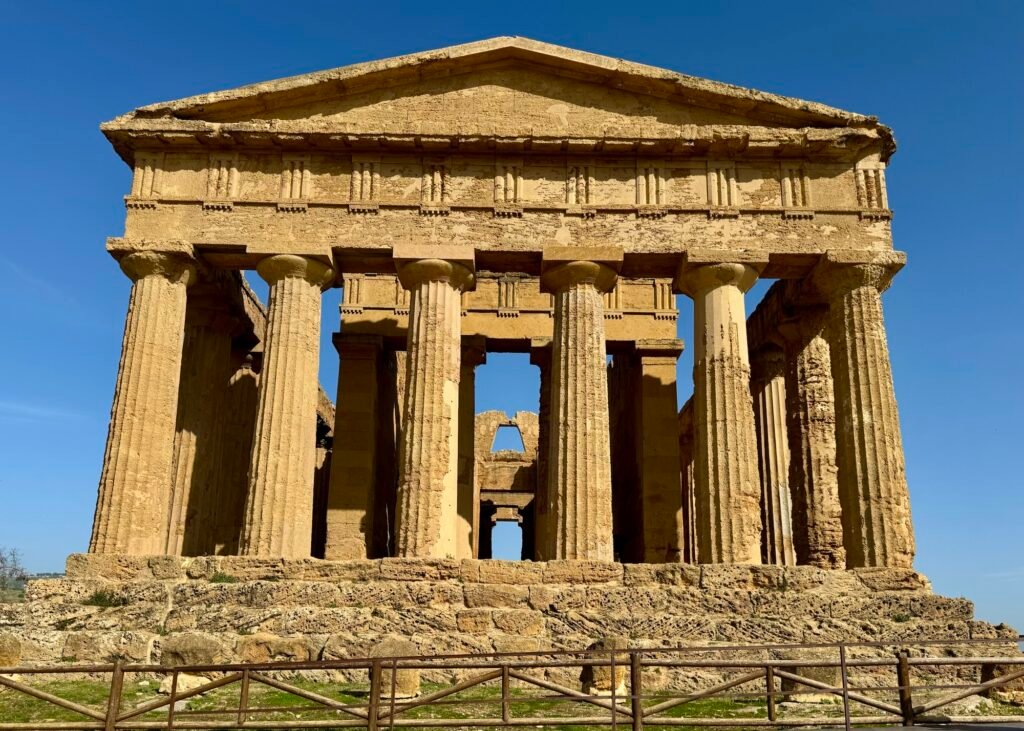
Temple of Concordia

This is the only temple that was spared being razed. Built between 440 and 430 BC by the Greeks, and later taken over by the Romans, it was recommissioned into a Christian basilica in the 6th century, AD of course, when Christianity became the official religion of the Roman Empire.